
Leave Your Message
0%

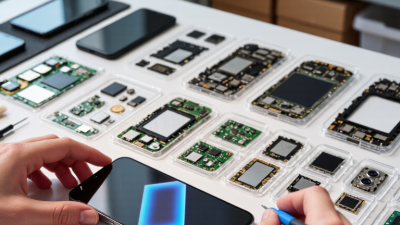
If you run a repair shop, buying Mobile Phone Spare Parts wholesale can honestly change the way your day-to-day workflow runs. For one, it usually brings unit costs down, cuts down on purchasing time, and helps you keep the popular stuff in stock. Think about it—a busy technician might go through ten screens, twenty batteries, or even hundreds of charging ports in a month. Pay retail for all that, and every single replacement ends up costing you more.

That said, going wholesale isn’t automatically the smarter move. Quality can vary a lot from one supplier to the next—even when the product photos look exactly the same. A good buyer will check things like connector alignment, battery capacity, adhesive strength, packaging, and return terms. Batch testing matters too. And yes, traceability matters as well. Companies like MobileSentrix and Injured Gadgets are good examples of how organized catalogs and clear product info can help with professional sourcing—but buyers should still verify every shipment themselves.

Kyle Wiens, the CEO of iFixit, puts the repair mindset pretty plainly: “If you can’t fix it, you don’t own it.” And honestly, that same idea applies to sourcing parts. Spare parts should actually help technicians restore devices safely, consistently, and responsibly. That cheap screen? It’s not really a bargain if it gives you bad touch response or keeps sending you back for callbacks. One failed repair can do more damage to customer trust than paying a bit more upfront.

Honestly, the best wholesale strategy comes down to balancing a few things: cost, performance, warranty support, and how reliable the supplier is. Before you commit to big quantities, it's smart to compare samples first. And keep track of failure rates and what customers are saying too—those details matter. Mistakes do happen. A supplier can look great on one order and then let you down on the next. So yeah, careful review is still necessary. So here's the thing: this article digs into why businesses go with wholesale mobile Phone Spare Parts, what savings actually look like in practice, and which quality checks are worth a closer look before you start buying at scale.

Why Buy Mobile Phone Spare Parts Wholesale?

What Are Mobile Phone Spare Parts and Wholesale Buying?

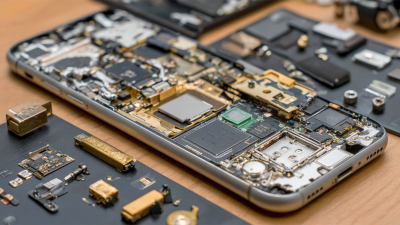
Spare Parts For Mobile Phone are replacement components used to repair damaged or worn devices. Common examples include screens, batteries, charging ports, cameras, speakers, buttons, and flexible cables. Each part must match the device model, connector type, and production version. A screen may look identical but still fail after installation. Practical repair experience teaches this quickly.

Wholesale buying means purchasing these components in larger quantities from a professional supplier. It can reduce the unit cost and improve stock availability for repair shops. However, low prices should not decide everything. Reliable buyers check material quality, test samples, packaging, warranty terms, and return procedures. They also request clear product specifications and keep purchase records. Some parts arrive with minor cosmetic flaws. That possibility needs honest evaluation.

Tips: Start with a small sample order. Test charging, display brightness, touch response, and battery performance. Store sensitive parts in dry, dust-free conditions. Confirm safety documentation where required. Avoid mixing similar-looking components in one storage box. I once underestimated labeling, and a correct part still took too long to find. A simple inventory sheet can prevent that mistake.

Why Do Businesses Choose Wholesale Spare Parts?

Why Do Businesses Choose Wholesale Spare Parts?

Businesses choose wholesale mobile phone spare parts for practical reasons. A repair shop may need 50 charging ports, 30 screens, and several battery units each week. Wholesale purchasing reduces repeated orders and can lower the average cost per part. It also helps technicians keep common components ready for same-day repairs.

Consistency matters.

Professional suppliers usually provide technical specifications, batch details, and basic quality checks. These records help businesses compare materials, connector layouts, camera openings, and battery capacity before installation. Reliable suppliers also protect parts with sealed packaging and clear storage guidance. That matters when boxes sit in a repair room for several days.

Wholesale is not automatically cheaper. A low quotation may hide weak adhesive, poor touch response, or missing testing support. Experienced buyers often inspect a small sample before placing a larger order. They check fit, screen brightness, charging stability, and return procedures. This step can prevent wasted labor and unhappy customers. Still, mistakes happen. A supplier may describe a part accurately, yet a technician may order the wrong revision. Careful communication remains necessary.

Businesses also value predictable delivery. Delayed parts can leave a customer’s phone open on a workbench overnight. That creates pressure and storage risks. A dependable wholesale channel supports clearer scheduling, steadier pricing, and better repair records without relying on rushed purchases.

Why Businesses Choose Wholesale Mobile Phone Spare Parts

Key procurement priorities reported by businesses when purchasing spare parts in bulk

Wholesale purchasing helps repair shops, distributors, and service providers reduce unit costs, maintain reliable inventory, and serve more customers with compatible replacement parts.

How Does Wholesale Purchasing Reduce Repair Costs?

Wholesale purchasing lowers repair costs by changing the economics of each job. A shop buys screens, batteries, cameras, charging ports, and seals in planned quantities. The unit price usually falls, while freight and handling costs spread across one shipment. That matters when a technician completes several similar repairs daily. GSMA Intelligence reported 5.6 billion unique mobile subscribers worldwide in 2023. This scale keeps replacement demand high and makes dependable parts availability commercially important.

Wholesale also reduces hidden labor costs. A consistent supplier can provide All Mobile Phone Spare Parts with matching specifications, clear grading, and repeatable packaging. Technicians spend less time comparing listings or waiting for another delivery. Fewer interruptions mean more completed repairs, although savings depend on quality control. The Global E-waste Monitor 2024 reported 62 million tonnes of e-waste in 2022. Only 22.3% was documented as properly collected and recycled. Repairing usable phones can reduce premature disposal, but poor parts may cause repeat failures.

Price alone is a weak purchasing rule. A cheap display with uneven brightness, weak adhesive, or poor touch response can erase the wholesale advantage. Incoming checks should sample brightness, battery capacity, connector fit, and packaging damage. Keep records. One practical weakness remains: forecasts can be wrong. Overstocked parts tie up cash, while rare models may still require urgent single-unit purchases. Reviewing repair history monthly is imperfect, but it is better than guessing.

Which Spare Parts Are Commonly Bought in Bulk?

Screens and batteries are the most commonly purchased mobile phone spare parts in bulk. They fail often, require skilled replacement, and move quickly through repair shops. IDC’s Worldwide Quarterly Mobile Phone Tracker recorded approximately 1.23 billion smartphone shipments in 2024. A large installed base creates continuing demand for practical repairs, even when new device sales slow.

Charging ports, display assemblies, cameras, speakers, microphones, back covers, and flex cables also sell steadily. Repair technicians usually order several grades of screens because brightness, touch response, and frame quality can differ. Batteries need stricter control.

The Global E-waste Monitor 2024 reported 62 billion kilograms of electronic waste generated in 2022, while only 22.3% was formally collected and recycled. Extending device life through reliable parts can reduce unnecessary disposal, but poor-quality components may create repeat repairs.

Bulk buyers often choose Fasterfit Mobile Phone Spare Parts for routine inventory planning. A sensible order might include popular screen sizes, battery capacities, charging assemblies, and small adhesive kits. Do not buy everything in equal quantities. That sounds convenient, but it can waste cash on slow-moving parts.

GSMA Intelligence has repeatedly highlighted repairability and longer device use as important industry issues. Still, demand forecasts are imperfect. A damaged shipment, changing device models, or a local repair trend can upset careful calculations. Check connector types, battery safety documentation, return terms, and compatibility before increasing volume. Some buyers learn this too late.

How Can Buyers Assess Spare Part Quality and Compatibility?

Wholesale savings matter only when spare parts fit the exact repair job. GSMA Intelligence’s The Mobile Economy 2024 reports 5.6 billion unique mobile subscribers worldwide. That scale creates demand, but it also increases compatibility risks. Buyers should match the device model, regional version, connector layout, voltage, dimensions, and firmware requirements. A similar-looking display can still produce weak touch response or uneven brightness. Small differences matter.

Quality needs evidence, not attractive packaging. Counterpoint Research’s Global Refurbished Smartphone Tracker reported that global refurbished smartphone sales grew in 2022, increasing pressure on reliable replacement components. Buyers should request batch records, material specifications, warranty terms, and sample-test results.

For batteries, check rated capacity, cycle performance, protection circuits, and IEC 62133-2 test documentation. Transport records should also reflect UN 38.3 requirements. For screens, test dead pixels, touch accuracy, color consistency, and frame alignment before installation. Test samples first. Never trust one successful unit.

A practical receiving process can include photographing packaging, scanning serial labels, measuring dimensions, and recording failure rates. Keep failed samples for supplier review. That evidence supports fair claims.

Yet even careful checks have limits. Supplier documents may be incomplete, and laboratory results may not represent every batch. Buyers should review performance regularly, rather than treating one inspection as permanent proof. Reliability is built through repeated testing, transparent records, and willingness to reject uncertain stock.

What Should Businesses Check Before Choosing a Wholesaler?

Businesses buy Mobile Phone Aftermarket Spare Parts wholesale to control repair costs and keep devices in circulation. The opportunity is substantial. GSMA’s Mobile Economy 2024 estimated 4.6 billion people used mobile internet in 2023. More active devices create steady demand for screens, batteries, cameras, charging ports, and housing components.

A wholesaler should provide clear part identification, compatibility lists, and batch-level traceability. Ask for evidence. IDC’s Worldwide Quarterly Mobile Phone Tracker reported global smartphone shipments of about 1.17 billion units in 2023. That volume makes mixed-quality inventory a real concern. A cheaper screen may show bright colors in testing, then develop touch errors after installation. I have learned that price alone is a poor purchasing tool. Numbers can mislead.

Check how parts are tested before shipment. Request sample units, defect-rate records, inspection photos, and written warranty terms. Battery capacity should be measured, not simply printed on a label. The wholesaler should also explain return procedures, packing standards, and delivery times for urgent repairs. GSMA’s Mobile Economy 2024 also highlighted the growing importance of device longevity and circularity. This makes reliable replacement parts commercially useful, not merely cheaper. Still, I would challenge any supplier promising zero defects. A realistic supplier reports failures, investigates causes, and improves future batches. Ask whether technicians can receive installation guidance and compatibility updates. That small detail often separates a dependable source from a crowded catalogue.

Why Buy Mobile Phone Spare Parts Wholesale? - What Should Businesses Check Before Choosing a Wholesaler?

Evaluation Dimension What Businesses Should Check Practical Wholesale Benchmark Why It Matters Documents or Evidence to Request
Product Compatibility Confirm the exact device model, regional version, connector type, component revision, and installation compatibility. 100% model and part-number matching before shipment Incorrect parts increase returns, installation failures, and inventory losses. Compatibility list, technical drawings, product photographs, and sample verification
Part Quality Grade Clarify whether parts are original service parts, refurbished, aftermarket, or used, and define the grading standard in writing. One clearly documented grade per purchase order Transparent grading helps businesses set accurate prices and customer expectations. Written grading policy, inspection checklist, and sample approval record
Minimum Order Quantity Compare the minimum quantity by individual part, model, color, and purchase order. Lower quantities for trial orders; volume discounts at higher quantities Flexible order quantities reduce the risk of overstocking slow-moving models. Current wholesale price list and minimum-order terms
Pricing Structure Review unit price, volume tiers, packaging fees, payment charges, shipping costs, and applicable taxes or duties. At least three clearly defined volume-price tiers A complete landed-cost comparison is more useful than comparing unit prices alone. Formal quotation showing product, packaging, freight, tax, and payment costs
Quality-Control Rate Ask how incoming materials, production batches, finished parts, and packed orders are inspected. Documented inspection at multiple production stages Consistent testing lowers defect rates and protects repair-service margins. Inspection procedure, batch records, test reports, and defect-handling policy
Defect and Return Policy Check the reporting period, acceptable evidence, replacement or refund process, and responsibility for return freight. Written terms with a defined claim window and response time Clear after-sales terms prevent disputes when defective parts are discovered. Warranty policy, return authorization procedure, and claim form
Warranty Coverage Confirm warranty duration, exclusions, installation requirements, and whether the warranty covers replacement or credit. Warranty terms stated by product category, not only verbally Warranty clarity helps businesses calculate service costs and manage customer claims. Warranty certificate, exclusions list, and replacement-credit rules
Stock Availability Review available inventory, stock-update frequency, reserved quantities, and the risk of discontinued components. Regular inventory updates with confirmed available quantities Reliable stock information prevents delayed repairs and cancelled customer orders. Inventory report, stock confirmation, and discontinuation notice process
Lead Time Separate ready-stock handling time from production lead time and include inspection and packing time. A written dispatch schedule for both stock and made-to-order items Accurate lead times support repair-shop scheduling and inventory planning. Order confirmation, production schedule, and shipment tracking procedure
Packaging Protection Check anti-static protection, individual cushioning, moisture protection, labeling, and carton strength. Parts individually protected and cartons labeled by model and quantity Proper packaging reduces transport damage, mixing errors, and handling time. Packaging specifications, carton photos, and drop or handling-test records
Regulatory Compliance Verify applicable safety, chemical, transport, recycling, and import requirements in the destination market. Compliance documents available for regulated products and materials Compliance failures can cause customs delays, recalls, or legal penalties. Declarations of conformity, material declarations, safety documents, and test reports
Payment Security Compare deposit requirements, payment milestones, supported methods, currency terms, and protection against unauthorized changes. Payment terms documented on a formal pro forma invoice Clear payment controls reduce financial and fraud risks in international purchasing. Pro forma invoice, bank-account verification process, and payment terms
Logistics Capability Check shipping methods, export documentation, tracking, insurance, customs responsibilities, and delivery coverage. Trackable shipping with defined delivery responsibilities Predictable logistics improve delivery planning and reduce unexpected import costs. Shipping quotation, commercial invoice, packing list, and tracking procedure
Communication and Support Evaluate response time, technical knowledge, order updates, language capability, and escalation procedures. Named contact with a documented response and escalation process Fast, accurate communication helps resolve compatibility and warranty issues quickly. Service-level terms, support contacts, and sample communication records
Sample and Trial Order Test installation fit, function, appearance, packaging, delivery condition, and claim handling before bulk purchasing. Approve samples before committing to regular wholesale orders A trial order exposes quality and service risks at a lower financial cost. Sample approval form, test results, and signed product specifications

FAQS

Why do businesses buy mobile phone spare parts in bulk?

Bulk orders reduce repeated purchasing and may lower the average cost per part. Repair shops can keep screens, charging ports, and batteries ready for same-day work. This supports steadier schedules. However, wholesale purchasing is not always cheaper.

Which spare parts are commonly purchased in larger quantities?

Screens and batteries usually move fastest through repair shops. Charging ports, cameras, speakers, microphones, back covers, and flex cables also sell regularly. Popular models deserve more stock. Slow-moving parts can trap cash.

How can buyers avoid ordering incompatible parts?

Match the exact device model, regional version, connector layout, voltage, dimensions, and firmware needs. Similar-looking screens may have different touch performance. Check camera openings and frame alignment too. A small mistake can stop installation.

What should buyers check when testing screens?

Test brightness, dead pixels, touch accuracy, color consistency, and frame alignment. Connect the screen before full installation. Check the display under strong room lighting. One successful sample proves very little.

How should buyers assess battery quality?

Check rated capacity, cycle performance, protection circuits, and safety documentation. Confirm that the battery fits without pressure or bending. Review transport records and package condition. Batteries need stricter control.

What documents should a wholesale supplier provide?

Request material specifications, batch records, warranty terms, and sample-test results. Clear storage instructions also matter when boxes remain in a repair room. Keep photographs and serial labels after delivery. Documents can still be incomplete.

How can businesses inspect a shipment after delivery?

Photograph the outer packaging before opening the boxes. Scan serial labels and measure selected parts. Record failures, fit problems, brightness issues, and charging stability. Keep failed samples for supplier discussions.

How much inventory should a repair business order?

Base quantities on local repair history, popular models, and recent sales patterns. Do not purchase every part in equal amounts. Include common screens, batteries, charging assemblies, and adhesive kits. Forecasts are never perfect.

Conclusion

Buying Mobile Phone Spare Parts wholesale gives repair shops, retailers, and service businesses a practical way to maintain steady inventory while controlling costs. Wholesale purchasing usually means ordering larger quantities directly from a specialized supplier, which can lower the average price per item, reduce repeated shipping expenses, and improve repair efficiency. Common bulk purchases include screens, batteries, charging ports, cameras, speakers, buttons, back covers, and small repair components. Keeping these parts available helps businesses respond to customer needs more quickly and avoid delays caused by individual orders.

Before placing a wholesale order, buyers should carefully assess product quality, material durability, functional performance, and compatibility with the intended phone models. Clear product descriptions, accurate specifications, consistent testing standards, return policies, and responsive communication are important signs of a dependable wholesaler. Businesses should also compare pricing, stock availability, delivery arrangements, packaging, and after-sales support. A careful evaluation can help prevent incompatible parts, reduce waste, and build a more reliable repair supply system.

Natalie

Natalie

Natalie is a dedicated marketing professional at Shenzhen Kewot Technology Co., Ltd., where she leverages her extensive expertise to enhance the company's online presence and promote its innovative products. With a deep understanding of the technology industry, she excels in crafting informative......
Previous 10 Tips for Buying LCD Smartphone Repair Parts?