
+8617399988678 


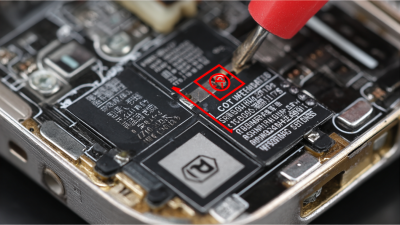
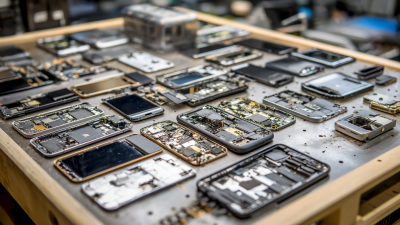
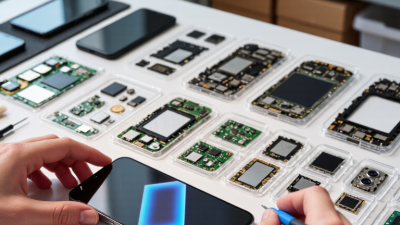
Buying Oppo Spare Parts from China? Yeah, it can bring repair costs down. But honestly, the cheapest quote is almost never the safest bet. Quality, compatibility, paperwork, and how the supplier communicates all matter just as much. A screen can look exactly the same in a product photo, yet after installation you might notice weaker brightness, sluggish touch response, or adhesive that's not applied evenly.
Ethan Zhang, a mobile-repair sourcing specialist based in Shenzhen, puts it this way: 'A low quote means little until the part passes testing.' That's real-world purchasing advice. Reliable buyers tend to ask for clear model numbers, tested samples, grading details, and warranty terms that actually make sense. They also check whether a component is original, refurbished, or third-party made. And those labels? They're not interchangeable—not even close.
The small stuff matters, too. Look at the flex-cable design. Check connector alignment. Ask for packaging photos and batch info. Confirm the supplier can provide invoices and export documents. Alibaba, Global Sources, and specialized Chinese distributors can give you useful leads, sure. But being on a platform doesn't automatically mean they're reliable.
Supplier verification takes time. No way around it.
This guide looks at where to find Oppo Spare Parts in China and how to compare vendors with more confidence. We'll cover factory channels, trading companies, repair wholesalers, and online marketplaces. We'll also touch on common risks—like inconsistent grades, fuzzy return policies, and communication gaps.
The process isn't perfect. Even experienced buyers can approve a sample that behaves differently once it's in a bulk order. That possibility is worth paying attention to. A careful purchasing plan should include independent testing, written specs, and a small trial order before you commit to larger volumes. With practical checks and realistic expectations, sourcing Oppo Spare Parts can become more controlled, transparent, and commercially dependable.
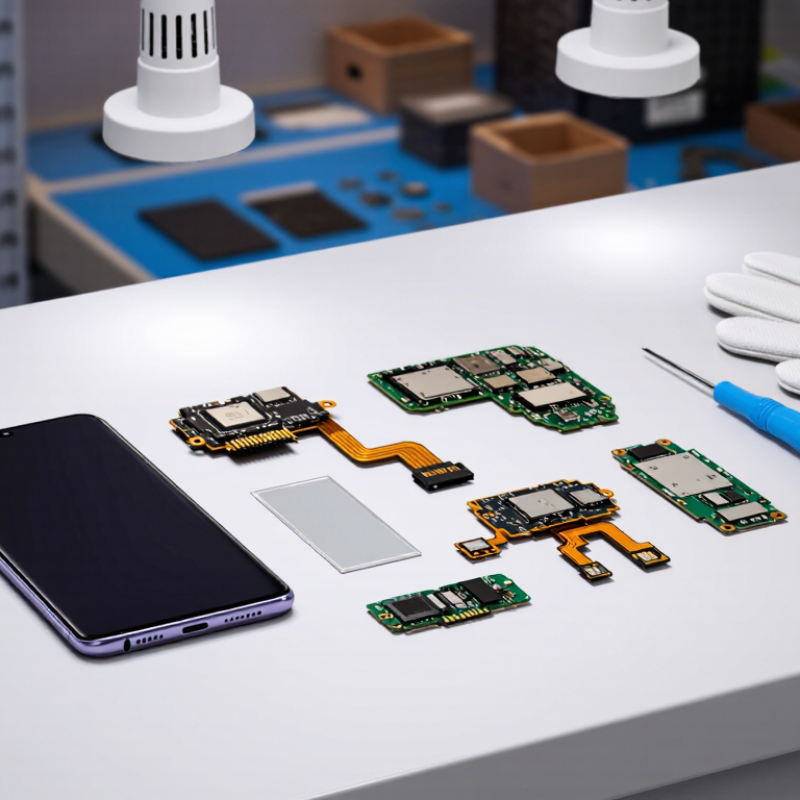
Where to Buy Oppo Spare Parts from China? Compatibility should guide every purchase. A replacement screen may look identical, yet its connector, frame depth, or touch controller can differ. Check the exact model code, regional version, production year, and part revision before ordering. For Oppo A31 Spare Parts, compare the battery rating, flex-cable layout, camera position, and charging-board dimensions. Small differences matter.
IDC reported approximately 1.17 billion smartphones shipped worldwide in 2023, creating sustained demand for reliable repair components. The GSMA Mobile Economy 2024 report also estimated 4.7 billion mobile internet users globally. These figures support a large parts market, but they do not guarantee compatibility. Ask Chinese suppliers for clear product photos, connector close-ups, material specifications, and sample-testing options. I would test one unit before placing a bulk order. That step costs more initially.
Compatibility testing should include charging, microphone performance, display brightness, fingerprint response, and battery temperature. A supplier’s “100% compatible” label is not technical proof. Request serial-batch information and a written inspection process. Quality can vary between two listings using the same part name. That is easy to overlook.
Use suppliers with traceable business details, documented factory inspections, and responsive technical support. Industry experience helps, but records matter more. Some buyers focus only on price and regret it after installation. A cheaper screen with weak adhesive or inaccurate color calibration can increase labor costs. I have found that careful model verification prevents more problems than fast purchasing.
When sourcing Oppo A53 Spare Parts from China, identify the exact device before contacting a supplier. “A53” may cover different regional versions, storage options, and production revisions. Check the model code in Settings, on the rear label, or beside the SIM tray. Record the IMEI privately; do not send it publicly. Then match the required part number through a reliable service manual or verified parts catalogue.
A screen assembly, charging board, and battery can look identical but use different connectors. Compare screw positions, flex-cable length, camera openings, and battery dimensions. For example, a battery label may show voltage, capacity, and a unique code. Share these details with the seller. Ask for clear photographs and a compatibility confirmation before payment. The Global E-waste Monitor 2024 reports 62 million tonnes of electronic waste in 2022, while only 22.3% was formally collected and recycled. Accurate identification can support longer device use, though my own sourcing checks still find occasional catalogue errors.
Tips: Request one sample part first. Check connector alignment under bright light. Confirm whether the item is original, refurbished, or compatible. Ask for inspection photos before shipment. Keep the old part beside the replacement during installation. A part number alone is not perfect; supplier records can be outdated. Recheck every character, especially 0, O, 1, and I.
| Identification Dimension | What to Record | Realistic Format or Example | How to Verify It | Importance When Ordering |
|---|---|---|---|---|
| Exact model code | Record the complete model code, including letters, numbers, suffixes, and regional variations. | Axxxx, CPHxxxx, or another code printed on the device label or shown in system information. | Compare the code in Settings with the code on the rear label, retail box, or service documentation. | A similar commercial name does not always indicate the same internal parts. |
| Regional variant | Note the country or market version and the supported network bands. | Global, European, Southeast Asian, Indian, or Chinese-market variant. | Check the original box label, software region, network-band list, and regulatory label. | A regional variant may use a different mainboard, antenna, camera module, or charging assembly. |
| Serial number and IMEI | Keep the serial number and IMEI for cross-checking, but do not publish them publicly. | A valid IMEI normally contains 15 digits; a dual-SIM device may show two IMEI entries. | Use the device information screen, the original packaging, or the IMEI display code. | Useful for confirming the device family and preventing a wrong-model purchase. |
| Part category | Specify the exact assembly required rather than using a general term such as “Phone Parts.” | Display assembly, touch panel, battery, charging board, rear camera, speaker, microphone, or housing. | Compare the failed component with the supplier’s product photos and assembly description. | Different assemblies can look similar while using different connectors or mounting points. |
| Service part number | Request the complete manufacturer or service-system part number printed on the component or its label. | An alphanumeric code containing a model reference, revision, and production suffix. | Ask for a clear photograph of the original label, flex cable, PCB, or packaging. | The device model code alone is often insufficient to identify the correct replacement. |
| Hardware revision | Record the board revision, flex revision, or component revision when available. | REV.A, REV.B, V1.0, V2.0, or a date-and-revision combination. | Inspect the printed circuit board, flex cable, connector area, or original service label. | Later revisions may have different connector layouts or software compatibility. |
| Display specifications | Confirm display size, resolution, panel type, frame design, and fingerprint-sensor position. | AMOLED or LCD; curved or flat; in-cell or on-cell; with or without frame. | Match the connector position, flex shape, screw points, frame color, and sensor opening. | A panel with the same size may still be incompatible because of connector or frame differences. |
| Battery specifications | Record the battery model code, rated capacity, typical capacity, voltage, connector, and dimensions. | Lithium-ion polymer cell; nominal voltage commonly around 3.85 V; capacity shown in mAh. | Read the battery label and compare its connector, cable length, thickness, and physical dimensions. | Do not substitute a cell solely because its mAh rating is similar. |
| Charging-board details | Identify the USB connector type, board shape, microphone position, and flex-cable connection. | USB Type-C board with a bottom microphone, antenna contact, and board-to-mainboard flex. | Compare screw holes, coaxial sockets, contact pads, microphone opening, and flex orientation. | Bottom boards from visually similar models are frequently not interchangeable. |
| Camera module | Specify the camera position, lens count, sensor role, focus function, and module code. | Main wide-angle camera, ultra-wide camera, telephoto camera, depth sensor, or front camera. | Match the module label, connector, lens arrangement, bracket, and software-recognized function. | Replacing a camera with a similar connector may cause focus, calibration, or recognition errors. |
| Connector and flex layout | Document connector count, contact orientation, cable length, and locking mechanism. | Board-side connector with contacts facing upward and a flex cable using a rear-facing stiffener. | Use close-up photographs and compare the replacement against the original part before installation. | Connector orientation and cable routing are critical for physical compatibility. |
| Cosmetic and housing details | Specify housing color, finish, camera-window layout, button positions, and frame material. | Matte black rear cover, metallic side frame, separate camera glass, and side-mounted buttons. | Compare color, cut-outs, adhesive channels, camera-window shape, and button brackets. | Housing parts can differ by color, region, storage version, or production revision. |
| Supplier quotation request | Send the model code, part number, photos, quantity, condition requirement, and destination. | “Please quote one tested charging board for model code CPHxxxx, part code xxxx, with photos before dispatch.” | Request stock photos, test results, warranty terms, minimum order quantity, and packaging details. | Complete information reduces quotation errors and helps compare offers consistently. |
| Pre-shipment inspection | Confirm the exact label, connectors, physical condition, and agreed functional test. | Photo of the part label beside a ruler, connector close-up, and test video where applicable. | Approve the photos before dispatch and retain them with the purchase record. | This provides evidence if the delivered part does not match the ordered specification. |
Choosing reliable China-based Oppo spare parts suppliers requires more than comparing prices. IDC reported about 1.23 billion smartphone shipments worldwide in 2024, showing sustained demand for replacement components. That demand also attracts inconsistent sellers. A dependable supplier should provide model-specific compatibility records, factory photos, test videos, and traceable shipping documents. Ask for a sample batch before ordering Oppo A57 Spare Parts. Check connector alignment, camera focus, battery labels, adhesive quality, and screen brightness under different angles.
A professional supplier should explain inspection methods, defect rates, packaging standards, and replacement terms in clear English. ISO 9001 certification can support process credibility, but it does not guarantee every component is genuine or suitable. Request recent inspection reports, not old certificates. I would also compare at least three quotations with the same specifications. The cheapest offer may exclude testing, protective packaging, or after-sales support. That mistake is easy to make.
Tips: Confirm the exact model code. Request ten samples. Test every function. Use protected payment terms. Keep written records of specifications and defect handling. Counterpoint Research reported global smartphone shipments exceeded 1.2 billion units in 2024, so supply options are broad. Still, broad choice can hide weak quality control. No checklist is perfect. Recheck critical parts before installation.
This neutral sourcing scorecard assigns practical purchasing weights to the key factors buyers should verify when selecting a China-based spare parts supplier. Compatibility and quality documentation receive the highest priorities, followed by delivery reliability, warranty support, and communication.
When buying smartphone spare parts from China, the label matters less than traceability. OEM parts are made to the original manufacturer’s specification, while “original” may mean a removed component from a used device. Ask for batch numbers, production dates, test records, and clear grading rules. A camera module should arrive sealed, clean, and free from lens dust. A display should pass brightness, touch, dead-pixel, and biometric tests.
Refurbished parts can reduce cost, but quality varies sharply. A refurbished screen may use a recovered panel with a replaced glass layer. It can look excellent, yet show weaker touch response at the edges. Compatible parts are newly manufactured alternatives. They may fit correctly, but color accuracy, battery reporting, or charging stability can differ.
The United Nations Global E-waste Monitor 2024 reported 62 million tonnes of electronic waste in 2022, with only 22.3% formally collected and recycled. Reuse has value, but poor refurbishment simply delays failure.
Request sample units before placing a bulk order. Track failure rates after installation, not only arrival defects. A practical trial might compare 20 displays from each category under identical repair conditions.
Keep photographs, voltage readings, and technician notes. Independent inspection is worthwhile for batteries and charging boards. Costs are easy to compare; warranty handling is not.
I would avoid suppliers who promise “100% original” without explaining origin, testing, and replacement terms. That wording sounds convenient, but it proves very little.
Buying Oppo A5s Spare Parts from China requires more than comparing unit prices. The Global E-waste Monitor 2024 reported 62 million tonnes of electronic waste in 2022, while only 22.3% was formally recycled. This highlights the need for traceable, repair-ready components rather than cheap parts with uncertain origins.
Check quality through sample orders, batch photos, connector alignment, adhesive strength, and screen brightness. Ask for inspection records, material specifications, and a clear warranty. A supplier should provide a registered business name, factory address, export history, and relevant quality certificates. ISO 9001 helps, but it does not prove every part is reliable. Test the parts yourself.
Price needs context. Compare the landed cost, including packaging, freight, inspection, and possible replacement losses. Request quotations at 50, 100, and 500 units. Minimum orders vary widely, and low MOQs can carry higher prices. The World Bank’s Logistics Performance Index 2023 shows that shipment reliability differs significantly between markets, so delivery promises deserve evidence. Ask for recent tracking records. Small details matter. I would also question unusually cheap batteries or displays; savings may disappear after returns. My own purchasing assumption would be imperfect: a supplier with polished certificates can still fail a small sample test. Supplier credentials must support performance, not replace it.
Buying smartphone spare parts from China requires more than finding a low unit price. I recommend confirming part numbers, revision codes, quantities, and packaging photos before payment. A simple order sheet should show unit cost, inspection fees, shipping terms, and replacement conditions. The World Bank’s Logistics Performance Index 2023 shows that customs clearance speed differs sharply between markets. Therefore, request accurate commercial invoices, packing lists, and country-of-origin details before dispatch.
Shipping choices affect both cost and risk. UNCTAD reports that ships carry over 80% of global merchandise trade by volume, but sea freight may delay urgent repair orders. Air shipping suits small, valuable components, while consolidated freight can reduce cost for larger batches. Use tracking with milestone updates. DHL’s 2024 e-commerce research found that delivery options strongly influence purchase decisions, so customers should receive realistic arrival dates, not optimistic promises. A spreadsheet helps, though mine once missed a local handling charge.
Customs preparation should include product descriptions that match the physical package. Avoid vague labels such as “accessories.” Ask the supplier to separate goods, freight, insurance, and taxes on the quotation. Before ordering, check import duties and documentation requirements with a licensed customs broker. After-sales support needs a written process: photo evidence within a fixed period, testing instructions, and replacement or credit timelines. Keep batch numbers and inspection records for six months. Some suppliers offer fast replies but weak solutions. That gap deserves careful testing before scaling the order.
Check the model code in Settings, on the rear label, or beside the SIM tray. Record regional version, storage size, and production revision. Do not rely on the commercial model name alone.
Keep the IMEI private. Share the model code and relevant part details instead. The supplier usually needs compatibility information, not your full device identity.
Compare a service manual with a verified parts catalogue. Check every character carefully. Pay special attention to 0, O, 1, and I. Catalogue records can be outdated.
Compare screw positions, connector shape, flex-cable length, camera openings, and battery dimensions. For batteries, check voltage, capacity, and the printed code. A similar appearance proves very little.
Request one sample or a small batch first. Inspect connector alignment under bright light. Test charging, display brightness, camera focus, and other key functions. Large orders can magnify small mistakes.
Ask for recent inspection reports, clear photographs, test videos, and protected shipping records. The supplier should explain defect rates, packaging, and replacement terms. Clear English helps. Vague answers deserve another review.
No. A quality certification can support process credibility, but it cannot prove every part fits your phone. Request current evidence and confirm the specific component. I sometimes trust certificates too quickly.
Compare at least three offers with identical specifications. The lowest price may exclude testing, protective packaging, or after-sales support. Write down each condition. Cheap can become expensive.
Correct parts may extend a phone’s useful life and reduce unnecessary disposal. Electronic waste reached 62 million tonnes globally in 2022. Only part of it entered formal recycling systems. Accurate checks matter, though they are not perfect.
Finding reliable Oppo Spare Parts from China requires careful research and accurate product identification. Start by confirming the exact device model, regional version, and required part number to avoid compatibility problems. Buyers should understand the differences between OEM, original, refurbished, and compatible components, as each category varies in quality, price, durability, and warranty coverage.
When evaluating China-based suppliers, compare product specifications, unit prices, minimum order quantities, production or handling times, and available quality certifications. Verify supplier credentials through business records, product samples, clear communication, and consistent customer reviews. Before placing an order, confirm packaging standards, payment terms, shipping methods, customs responsibilities, and estimated delivery times. It is also important to clarify return policies, inspection procedures, technical support, and after-sales service in writing. A reliable purchasing process combines model verification, transparent pricing, supplier assessment, and practical logistics planning to reduce risks and support successful long-term sourcing.