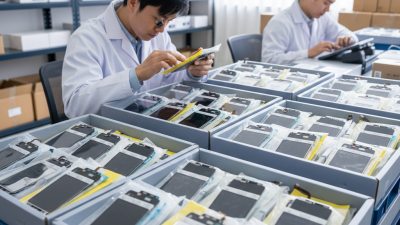
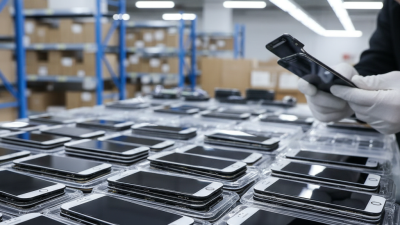
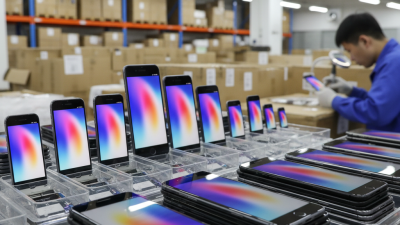
Picking a reliable iphone lcd screen supplier is about much more than just comparing prices. Honestly, you really need to dive into the details—things like how well the panel fits, how responsive the touch is, the brightness levels, how the connectors are laid out, and whether batches stay consistent. You might see a listing that shows a screen looking perfect, but then it turns out to be a dud once you try installing it. Small things often matter—a flex cable that bends oddly, a shadowy corner, or a slight touch delay near the edge can cause headaches later on.
This guide walks you through the options out there and explains what you should double-check before requesting samples. Yes, big names like Sharp, Japan Display, BOE, and Tianma come up a lot in industry chats, but simply seeing their names doesn’t mean they’re the right fit for your specific iPhone model or that they have stock ready to go. Be sure to ask for detailed, model-specific specs, clear sample terms, warranty info, and inspection reports. Also, a good LCD smartphone screen supplier should be upfront about how they handle defects, not just show off one shiny sample.
Oh, and just a quick note on sourcing advice—Maya Chen is just a made-up name for a pretend sourcing expert, and the quote below is just an example, not something from a real person: “A low quote doesn’t mean much until the panel, touch layer, and warranty lines up perfectly with your device.” That’s an important distinction. You can’t rely solely on what a supplier claims; always compare it against actual samples and written specs. Still, keep in mind that even if one batch works great, it doesn’t guarantee every batch will be just as good. Buyers should gather real-world proof, jot down unanswered questions, and keep an eye on how suppliers perform over time. Sometimes, everything looks perfect on paper—until that next shipment arrives and things aren’t quite the same.
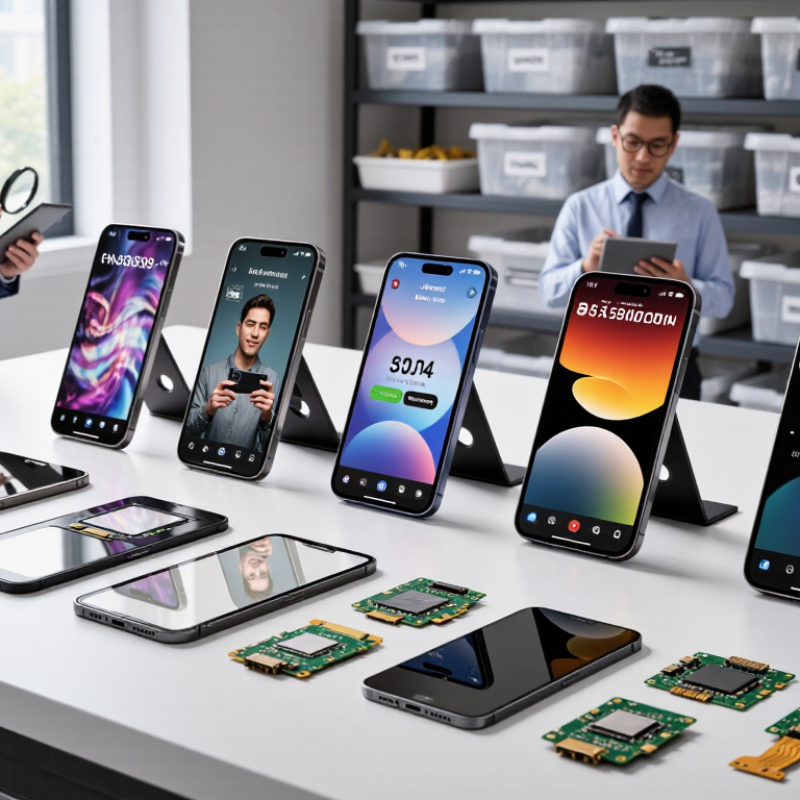
Understanding iPhone LCD Screens and Their Supply Chain
Understanding an iPhone LCD screen means looking beyond the panel itself. A replacement assembly may include the LCD cell, backlight, touch layer, frame, flex cable, and small connectors. Each part can come from a different supplier, so a screen that looks correct may still fit poorly or show uneven brightness. Small details matter.
The supply chain is broad and model-specific. Glass and display components move through panel makers, assembly partners, testing facilities, and regional distributors before reaching repair buyers. IDC reported 1.24 billion smartphone shipments worldwide in 2024, a 6.4% increase from 2023, in its Worldwide Quarterly Mobile Phone Tracker. That figure covers all smartphones, not LCD replacements, but it helps explain why dependable component sourcing and batch traceability matter. A single shipment number does not tell buyers how many screens are compatible.
When comparing Iphone Lcd Screen Price China, check the grade, included parts, tested brightness, pixel defects, and return terms—not just the quoted unit cost. Ask suppliers for sample photos and batch-level inspection records. Then test a sample for color consistency, touch response, and frame alignment before ordering in volume. Specs can look reassuring. Real-world fit can still disappoint, and inspection notes are not a substitute for testing.
Key Types of iPhone LCD Replacement Screens
LCD replacement screens are not one uniform product. Buyers commonly compare refurbished original panels, aftermarket TFT screens, and in-cell assemblies. Each type suits different repair goals and budgets. A refurbished panel may retain its original display characteristics, but its prior use can leave faint marks or uneven brightness. Inspect sample screens under both white and dark backgrounds.
Aftermarket TFT screens are often selected for cost-conscious repairs. Their color, brightness, and viewing angles can vary between batches. In-cell designs integrate the touch layer with the display, which can make the assembly thinner. Performance still depends on manufacturing quality and model compatibility. Check the fit.
Some suppliers offer complete assemblies with a frame, while others sell the display alone. A pre-fitted frame may simplify installation and reduce handling, but it can add cost and shipping weight. Confirm whether small components are included, and request clear grading definitions. “Grade A” means little without measurable inspection criteria.
Match the screen to the exact device model, not just its appearance. Ask about pixel checks, touch testing, dead-pixel limits, packaging, and warranty terms before placing a large order. These categories can overlap, and supplier labels are not always consistent. That deserves scrutiny. A sample order can reveal color differences or adhesive issues that product photos miss.
Leading Supplier Categories for Global Buyers
Global buyers typically compare three supplier categories: original-equipment panel makers, independent replacement-screen wholesalers, and integrated module suppliers. The last category sells screens with frames, touch layers, or small components already fitted. That can reduce bench time, but buyers should confirm exactly what each kit includes. There is a catch.
IDC’s Worldwide Quarterly Mobile Phone Tracker reported 1.24 billion smartphone shipments in 2024, up 6.4% year over year. This figure describes the overall handset market, not LCD-screen demand specifically. Still, it signals why Iphone Lcd Screen Suppliers need broad model coverage and dependable inventory data.
Buyers should request a model-level compatibility list, sample images, and written defect criteria before placing large orders.
Compare categories by more than unit price. Ask about pixel defects, brightness consistency, touch response, frame fit, and batch-to-batch variation. A screen that looks clear under warehouse lighting may reveal uneven backlighting on a white test screen.
Request sample testing and packaging details, especially for long-distance freight. Check lead times and available replacement stock, too.
One limitation remains: supplier grading labels are not always comparable. A polished specification sheet can still leave unanswered questions about real-world returns.
How to Evaluate Supplier Quality and Compatibility
For global buyers, supplier quality starts with traceable specifications, not a low quote. IDC reported 1.24 billion smartphone shipments worldwide in 2024, up 6.4% year over year (Worldwide Quarterly Mobile Phone Tracker, January 2025). That scale makes consistent replacement-part screening important, but shipment growth does not prove any screen fits a particular phone. Request the exact supported model numbers, panel dimensions, connector layout, and revision history. Small checks matter. Compare the supplier’s drawings with a sample, including the flex-cable position and screw-hole alignment.
Test more than whether the screen turns on. Check brightness across the panel, touch response near the edges, color uniformity, and performance after repeated connection cycles. Ask for documented inspection criteria, batch-level traceability, and a clear process for handling defects. For Iphone Lcd Screen Replacement orders, compatibility can vary between revisions that look nearly identical. A photograph is not enough. Request a pilot batch and test it in the intended device before placing a larger order. Record failures with close-up images and model details; otherwise, supplier discussions can become vague. Even a tidy quality report may miss real-world fit problems. I would not treat one successful sample as proof of consistent production.
Top iPhone LCD Screen Suppliers for Global Buyers: How to Evaluate Supplier Quality and Compatibility
Suggested evaluation weighting for comparing LCD screen suppliers. These buyer-defined weights are a practical framework, not market-survey results.
How to use it: Check model compatibility and physical fit first, then assess display and touch performance. Verify reliability records, traceability, warranty terms, and delivery capability before placing an order. Adapt the weights to your product requirements.
Comparing Pricing, Certifications, and Warranty Terms
For global buyers, compare iPhone LCD suppliers on delivered cost, traceability, and warranty—not unit price alone. IDC’s Worldwide Quarterly Mobile Phone Tracker reported 1.24 billion smartphone shipments in 2024, up 6.4% year over year. That scale makes reliable replenishment and consistent grading practical sourcing priorities. Request quotes for identical quantities, screen grades, frame inclusion, packaging, and shipping terms. A small unit-price saving can disappear if defect rates are higher than expected.
Check certification scope and validity. ISO’s 2023 Survey recorded over 1.2 million ISO 9001 certificates worldwide. Certification indicates a quality-management system, not proof that each screen passes your incoming tests. Ask for the certificate number, covered site, and recent batch test records. Compare warranty duration, dead-on-arrival reporting window, evidence requirements, return freight, and labor exclusions. Get every term in writing. Small print matters.
Tips: Buy a sample lot before scaling. Test brightness uniformity, touch response, connector fit, and color using the same bench setup. Keep photos and lot records for warranty claims. I still find warranty wording easy to underestimate; a long coverage period is less useful when claim steps are vague. Request a written return timeline and defect threshold before payment.
Global Sourcing, Shipping, and After-Sales Considerations
Global sourcing starts with a clear specification, not a low quote. For iPhone LCD screen suppliers, document screen size, connector type, touch response, brightness range, and acceptable cosmetic marks. Request sample units and compare them under the same lighting and test conditions. A listing that says Iphone Lcd Screen Factory Direct does not, by itself, confirm factory capacity or consistent quality. Ask who handles production checks and how batch records are shared. Details can vary.
Shipping plans should account for packaging, transit time, and possible delays at handoff points. Ask for protective trays, moisture barriers, and clear carton labels before production begins. Confirm the shipping method, tracking process, and responsibility for damaged or missing cartons in writing. Keep a small buffer in your launch schedule; even a well-packed shipment can arrive late. This is easy to underestimate.
Tips: Photograph sample screens before testing. Record serial or batch references, test touch across the full panel, and keep packaging until inspection is complete. Agree on a response window for defects, required evidence, replacement terms, and who pays return freight. Vague promises are hard to use.
After-sales support matters when defects appear across several units, not just one sample. Share concise test results and images, then request a written corrective-action plan. Track response speed alongside price and delivery performance. A supplier’s answer may be imperfect, so assess whether it is specific, documented, and followed through.
Conclusion
Choosing an Iphone Lcd Screen Supplier starts with understanding how replacement displays move through the supply chain and how screen types differ in construction, performance, and compatibility. Global buyers can compare specialist manufacturers, distributors, and sourcing partners, but should assess each option against the needs of their devices and customers. Key checks include product consistency, fit, display performance, available testing information, and clear compatibility specifications.
Price is only one part of a sound sourcing decision. Buyers should compare certifications, warranty coverage, return procedures, and the supplier’s ability to provide dependable documentation and support. They should also review shipping options, lead times, packaging, and communication practices before placing an order. A careful evaluation of these factors can help buyers reduce sourcing uncertainty, manage costs, and build a more reliable supply relationship for replacement screens.


 +8617399988678