Replacing Cell Phone Parts can be both exciting and a bit intimidating, especially if you're just starting out. I remember reading what industry pro, John Smith from Tech Solutions, once said—something along the lines of, “Getting familiar with cell phone parts is the first step to mastering repairs.” And honestly, that really hits home. Knowing your way aroundCell Phone Spare Parts is super important.
A lot of folks tend to underestimate just how tricky this stuff can be. Each phone model has its own quirks, so doing a bit of research beforehand can save you a lot of headaches. For example, knowing how to carefully handle the battery, screen, or motherboard can make a big difference—both in saving time and avoiding costly mistakes. Beginners often run into problems like using the wrong tools or forgetting to insulate parts properly, and that can sometimes lead to more damage than you started with.
Oh, and don’t forget — sourcing good quality spare parts is key. Cheap, low-quality components might seem tempting, but they can cause all sorts of performance issues down the line. If you’re new to this, it’s really helpful to connect with more experienced tech folks or join online forums. Talking to others who’ve been around the block makes learning way easier and can boost your confidence. Honestly, sharing tips and getting support from fellow repair enthusiasts makes a huge difference—it’s less daunting and way more fun when you’re not going it alone.
Understanding the Basics of Cell Phone Parts Replacement
Replacing cell phone parts can be an exciting and challenging endeavor. Understanding the basics of cell phone parts replacement is essential for beginners. A report from the research firm MarketsandMarkets indicates that the global mobile phone accessories market, which includes Cell Phone Replacement Parts, is projected to reach over $120 billion by 2025. This shows the demand for repairable devices.
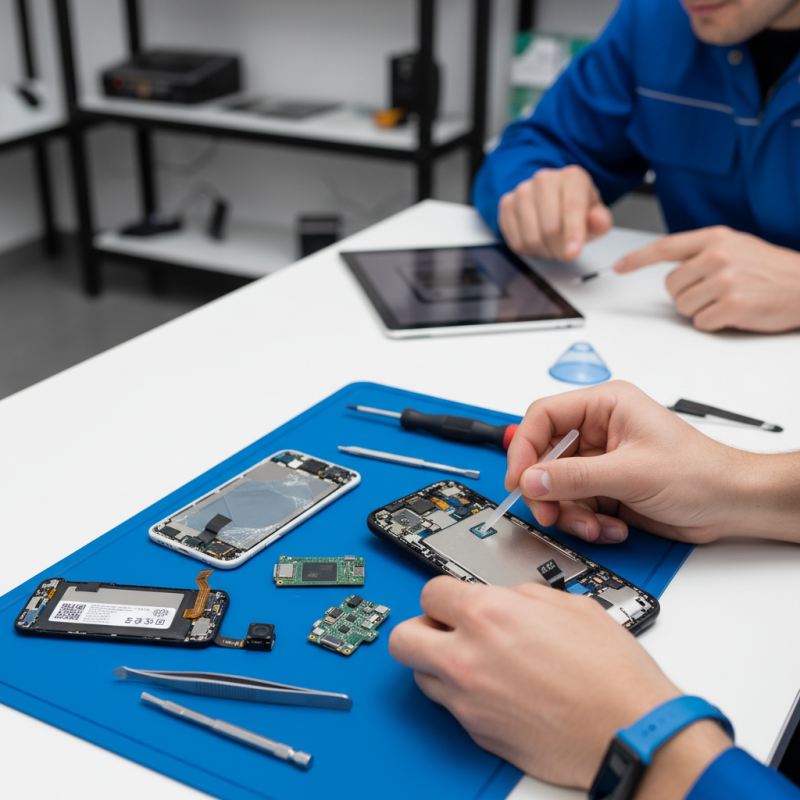
Getting started requires a basic toolkit. Essential tools often include screwdrivers, prying tools, and tweezers. Many websites provide broken parts for various devices. However, not every source is reliable. Research is key. Users should be aware that the quality of cell phone replacement parts can vary significantly. Poor-quality parts may lead to further issues.
It’s important to remember that the repair process can be intricate. Many first-timers face challenges, like losing screws or damaging cables. Patience is vital. Statistics show that only 55% of beginners successfully replace parts on their first attempt. Gaining experience through small projects can help. The learning curve is steep, but the satisfaction of a completed repair can be rewarding.
Essential Tools for Cell Phone Repair
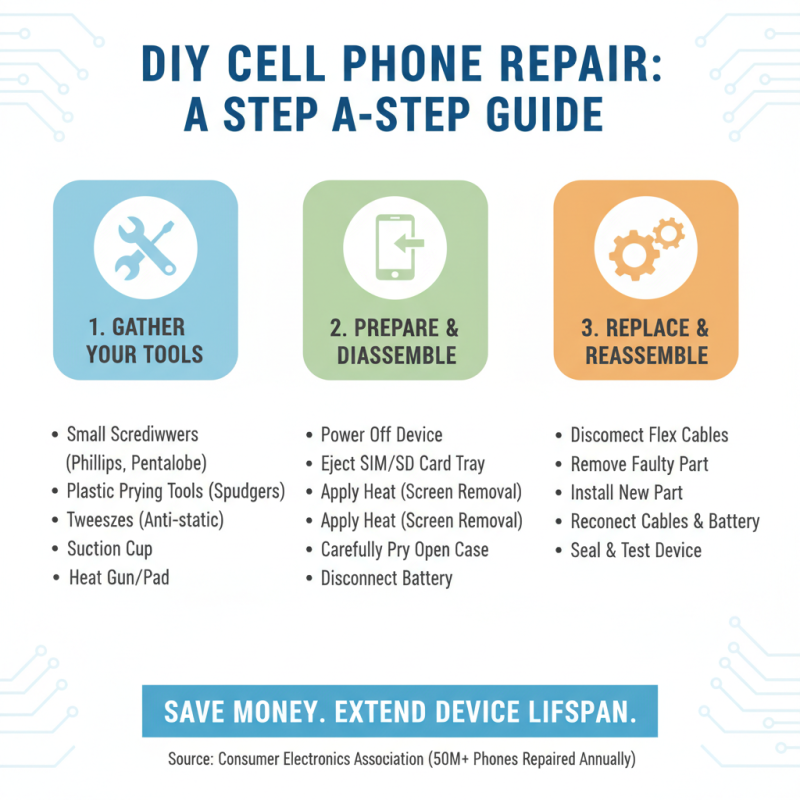
When you start repairing cell phones, having the right tools is crucial. A small screwdriver set is essential. Look for ones that fit tiny screws, as cell phones use various sizes. A plastic opening tool will help you pry apart the casing without causing damage. Consider a suction cup for screens that need replacing. It creates a solid grip, making the process easier.
Another important tool is a set of tweezers. They can help you handle small parts carefully. A spudger is also handy for disconnecting fragile connectors. Having a clean workspace is essential too. A cluttered area can lead to lost screws or damaged components.
As you embark on your repair journey, remember that not every attempt will be perfect. You might struggle with certain parts or find that a piece isn’t fitting as it should. This is a learning process. Embrace the mistakes; they will help you improve over time. With these essential tools, you are well on your way to becoming more proficient in cell phone repair.
Identifying Common Cell Phone Issues and Parts to Replace
Identifying common cell phone issues is crucial for beginners in the DIY repair world. According to a recent industry report, around 30% of smartphone users experience cracked screens annually. This issue often leads to the need for a screen replacement. Other frequent problems include battery failures, which account for nearly 25% of repair requests. Weak batteries can lead to unexpected shutdowns and poor performance.
When it comes to replacing parts, it’s essential to recognize which components need attention. Most users want to fix small issues themselves. However, many overlook the importance of quality parts. Using inferior Cell Phone Repair Parts can result in more significant issues down the line. For example, poor-quality batteries may not hold a charge properly, leading to further frustration. One common mistake beginners make is rushing into repairs without proper tools or knowledge. This approach often leads to damaged internal components and can accelerate the decline of the device. Paying attention to detail in every step is vital to ensure a successful repair experience.
Step-by-Step Guide to Disassembling a Cell Phone
Disassembling a cell phone can seem daunting for beginners. Yet, with the right intention and tools, it can be an engaging learning experience. Reports indicate that nearly 67% of people have experienced issues with Cell Phone Parts over time. Understanding the ins and outs of your device can empower you to make repairs instead of resorting to expensive replacements.
Begin by securing a clean, well-lit workspace. Use a small Phillips screwdriver, a plastic opening tool, and a pair of tweezers. Start with the back cover. In some models, it snaps in place, while in others, screws might be hidden beneath stickers. Pay attention to the subtle differences. Often, beginners overlook the tiniest screws. A misplaced tiny screw can lead to complications later, delaying the reassembly process.
Next, gently disconnect the battery. This step is crucial. It's easy to forget, but battery-related accidents can damage essential internal cell phone parts. Move cautiously! Many users report broken connectors due to excessive force. Take pictures as you disassemble each component. This habit can help avoid confusion when reassembling your device. Remember, even the most experienced technicians face challenges during repairs. It’s okay to reflect on your progress and learn from mistakes.
How to Replace Cell Phone Parts for Beginners? - Step-by-Step Guide to Disassembling a Cell Phone
| Step Number | Part to Replace | Tools Needed | Estimated Time | Tips |
| 1 | Battery | Screwdriver, Pry Tool | 10-15 minutes | Make sure to power off the device first. |
| 2 | Screen | Heat Gun, Suction Cup, Pry Tool | 30-45 minutes | Use a heat gun to soften the adhesive. |
| 3 | Charging Port | Screwdriver, Desoldering Pump | 20-30 minutes | Ensure the device is unplugged before starting. |
| 4 | Camera | Screwdriver, Tweezers | 15-25 minutes | Check for any ribbon cables before removing. |
| 5 | Speaker | Screwdriver, Pry Tool | 15-20 minutes | Keep the screws organized to avoid loss. |
Techniques for Safely Removing and Replacing Parts
Replacing cell phone parts can seem daunting. However, with the right techniques, it becomes a manageable task. Start by gathering tools like small screwdrivers, tweezers, and plastic prying tools. A report from the Consumer Electronics Association states that approximately 50 million smartphones are repaired annually. Learning proper techniques can save money and extend your device's lifespan.
When removing components, handle them with care. Use a heat source to soften the adhesive, making removal easier. Avoid using excessive force. Damaging internal parts can ruin your device. It's also beneficial to work in a well-lit area. This helps in spotting small screws or components that may get lost.
**Tip:** Keep screws organized in separate containers. This prevents confusion during reassembly.
Reattaching parts requires precision. Check for cables and connectors. Misalignment can lead to malfunction. Take your time during this phase. A recent survey showed that over 25% of DIY repairs fail due to haste. Reflect on your process and keep learning. Each repair teaches valuable lessons.
Reassembling Your Cell Phone: Tips for Success
Reassembling your cell phone can be tricky. Many beginners face struggles during this process. Research shows that nearly 30% of DIY repairs lead to further damage. It's essential to take your time and stay organized. Begin by laying each component out in a clean, well-lit space.
Make sure you note where each screw goes. Misplacing screws can cause assembly issues later. A professional report indicates that simple mistakes, like missing screws, often result in malfunctioning devices. Consider using a magnetic mat to keep track of small parts. Remember, patience is key.
When reassembling, avoid forcing parts together. This can lead to irreversible damage. If something doesn’t fit, double-check your work. Don’t rush. If you have doubts, visiting a reliable Cell Phone Parts Store for guidance can be helpful. Engage with online forums for insights and tips. Reassembling isn’t just about putting pieces together; it’s a learning experience. Embrace the challenges.
Testing Your Phone After Replacement: What to Check
After replacing cell phone parts, it's crucial to test your device thoroughly. Start by powering on your phone. Ensure the screen lights up. Check for responsiveness. Tap icons and open apps. A laggy screen can indicate further issues.
Next, pay attention to sound. Make a call. Listen for clarity. Ensure both parties can hear clearly. Test the speaker and microphone. They should function without distortion. If there are problems, you might want to redo your connections.
Battery life is another essential factor. Monitor how long your phone lasts after replacement. Does it drain quickly? Try charging and see if it holds power. If it doesn't, there may be an issue with the installation.
Tips: Always keep your workspace organized. This helps avoid losing small screws. Use proper tools for better results. Additionally, document your steps during the replacement. This reflection can highlight mistakes and aid in future repairs. Avoid rushing through the process; take your time. Any oversight can lead to complications down the line.
FAQS
: Think about your interests and available time. Some hobbies require more commitment.
Set small, achievable goals. Celebrate your progress, even if it's minor.
Yes, many people experience this. It's okay to feel uncertain. Keep pushing through.
Regular practice helps. Try to dedicate time each week, even just a little.
Progress takes time. Reflect on your journey. Adjust your approach if needed.
Join local groups or online communities. Building connections is important for growth.
Start with basics. You can upgrade tools later as you develop your skill.
Look for online tutorials or local classes. Libraries often have helpful materials too.
Absolutely, mistakes are part of the learning process. Embrace them and learn.
Yes, but it requires good time management. Prioritize your interests wisely.
Conclusion
Replacing cell phone parts can seem daunting for beginners, but with a clear understanding and the right tools, it becomes manageable. This guide covers the basics of cell phone parts replacement, from identifying common issues and the specific parts that need replacement, to the essential tools required for the process.
The step-by-step instructions include disassembling the phone carefully, using techniques to safely remove and replace the damaged components, and reassembling the device successfully. Finally, it emphasizes the importance of testing your phone after replacement to ensure everything is functioning correctly. By following these structured steps, beginners can confidently tackle cell phone parts replacement and restore their devices effectively.


 +8617399988678