Leave Your Message
0%

Choosing an LCD supplier in China isn’t just about comparing prices online and calling it a day. Honestly, a good manufacturer should be able to show you how their panels perform in real devices—not just sweet talk or fancy specs. You’ll want to look for clear info about their products, steady communication, and a track record you can verify. Don’t hesitate to ask about things like resolution, brightness, viewing angles, touch response, and what their dead-pixel standards are. The little details really do matter. And definitely request samples from the same production run—not just the shiny showroom units. Put those samples to the test—try them in sunlight, at low brightness, and with repeated touches to see how they hold up.

Pay close attention to the factory’s background too. A reputable supplier should be able to explain where their glass comes from, how they bond it, how they do aging tests, and what inspection steps they follow. Photos are helpful, but if you can get an online tour or an independent audit, that’s even better—it gives you much more confidence. Check their ISO certifications, experience exporting, warranty policies, and how they handle batch traceability. And be wary of vague promises like ‘zero defects’—ask specific questions, like how they deal with slight color differences, broken connectors, or claims for replacements. This stuff often reveals way more about their reliability than a glowing brochure.

Of course, price is still a key factor, especially if you’re buying from a Mobile Phone Spare Parts China Manufacturer that supplies multiple phone models. But watch out—the cheapest quote might come with hidden catches like high minimum orders, inconsistent glue quality, or slow after-sales support. Always compare the total cost—think packaging, testing, shipping, and possible returns. It’s a good idea to get a written quality agreement to keep everyone on the same page. That said, no checklist is perfect; a supplier might pass an audit but still miss something obvious like a frame fit issue. That tiny mistake could delay a whole repair batch. So, it’s smart to work with a partner who’s upfront about their limitations and willing to improve through proper testing. With thoughtful sampling, documented inspections, and reasonable expectations, you can pick an LCD supplier you feel confident about—no stress, just smart decisions.
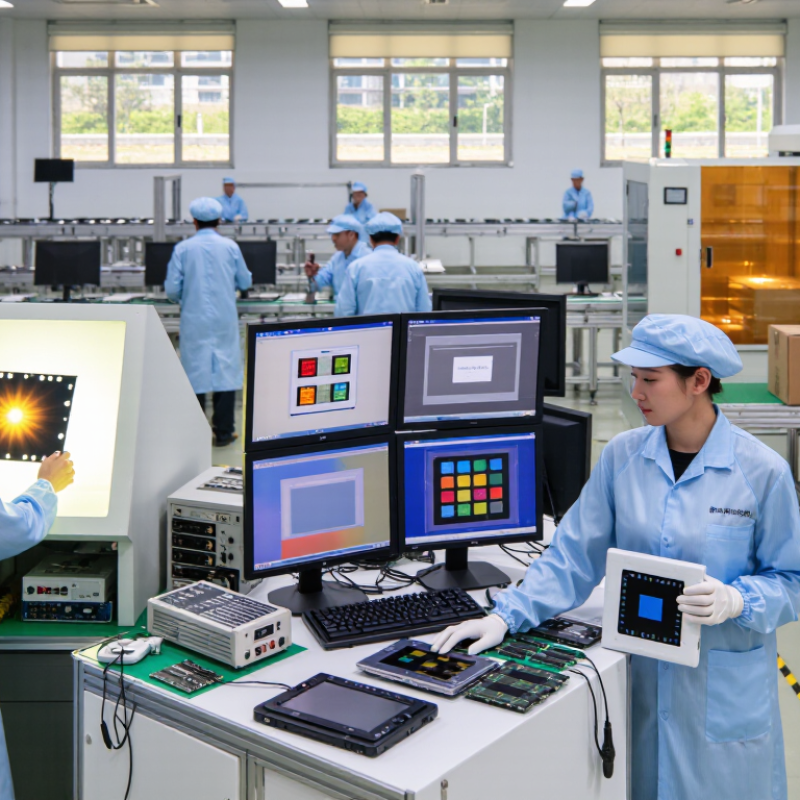
How to Choose an LCD Screen Manufacturer in China?

Define Your LCD Screen Requirements and Application

Choosing an LCD screen manufacturer in China starts with a clear definition of your product requirements. Before requesting quotations, record the screen size, resolution, brightness, viewing angle, touch function, interface, and expected service life. Also describe the application. A dashboard, medical monitor, outdoor kiosk, and handheld device need different display performance.

Consider the working environment carefully. Outdoor equipment may require stronger brightness and wider temperature tolerance. A handheld product may prioritize low power use, slim thickness, and impact resistance. If your device uses a custom housing, provide accurate drawings and mounting details. Searching for an “Iphone Display China Manufacturer” may reveal suppliers, but a familiar keyword does not guarantee technical suitability. I have seen attractive samples fail because the connector position was overlooked.

Tips: Prepare a requirement sheet with drawings, photos, and operating conditions. Ask for sample testing before discussing large orders. Check color consistency, touch accuracy, viewing angles, and performance after extended operation. Confirm the interface, tooling responsibility, inspection method, and replacement process in writing. Keep questions specific.

Do not rely only on a supplier’s website or product list. Request technical datasheets, quality records, and application references when available. A prototype may work perfectly in the office, yet perform poorly under sunlight or vibration. That mistake is common. Recheck every assumption before approval.

Assess Manufacturer Experience, Capabilities, and Product Range

Choosing an LCD screen manufacturer in China requires more than comparing quotations. Assess experience through completed projects, production history, and customer references in your product category. Ask how long the factory has handled similar sizes, interfaces, brightness levels, and operating environments. A supplier with medical, industrial, or outdoor experience should explain risks clearly. Vague answers are warning signs. Request sample units and inspect viewing angles, color consistency, touch response, and housing fit. Keep records of test results. Memory is not a quality system.

Capability includes engineering depth, not only machinery. Check whether the manufacturer controls design review, optical bonding, driver matching, tooling, assembly, and final inspection. Ask for process documents, inspection standards, calibration records, and realistic production capacity. Confirm how defects are handled and how engineering changes are approved. A large product range can be useful, but it may also reveal weak specialization. Compare actual samples across models, not just a catalog. Discuss lead times for prototypes, pilot runs, and repeat orders. Some factories promise faster delivery than their process can support. That mistake costs more later.

Tips: Visit the facility, if practical, and watch one production shift. Speak with quality staff, not only sales representatives. Verify certifications independently and confirm their scope. Ask for a small pilot order before scaling. Your evaluation should include communication quality. If technical questions remain unanswered, pause. Trust evidence, not polished presentations.

How to Choose an LCD Screen Manufacturer in China?

A practical supplier assessment should balance manufacturing experience, technical capabilities, quality control, customization support, and product range. The suggested weighting helps buyers compare manufacturers consistently without relying only on price.

Verify Display Quality, Certifications, and Quality Control Systems

Choosing an LCD screen manufacturer in China requires more than comparing the Iphone Lcd Screen Price China. A low quotation may hide weak brightness, poor touch response, or unstable color performance. Request production samples and test them under different lighting conditions. Check viewing angles, pixel defects, backlight uniformity, and touch accuracy. Ask whether specifications remain consistent between samples and mass production.

Review certifications that match your product market and application. Request current certificates, test reports, and issuing laboratory details. Do not accept a logo alone. A reliable manufacturer should explain material traceability, incoming inspection, in-process checks, and final inspection procedures. Ask for sample inspection records, calibration schedules, and defect-handling rules. During a factory visit, observe clean workstations, controlled storage, and operators using clear inspection standards. Practical evidence matters more than polished promises.

Tips: Compare at least three samples from different production batches. Test screens after temperature and humidity exposure. Ask how they investigate repeated defects. Quality systems can still fail. I would also check response times when problems appear, because support quality often reveals operational discipline. Keep written acceptance criteria, including brightness tolerance, dead-pixel limits, touch sensitivity, and packaging requirements. Vague terms create avoidable disputes.

Compare Customization Options, Minimum Orders, and Production Capacity

Choosing an LCD screen manufacturer in China requires more than comparing quoted prices. Customization should match your product, not merely impress your purchasing team. Ask whether the factory supports your required size, resolution, brightness, touch structure, viewing angle, and connector position. A reliable supplier should provide drawings, sample schedules, and clear revision records.

I have learned that sample approval can expose hidden problems. Check color consistency, backlight leakage, response time, and performance under heat. Ask about tooling charges and whether engineering changes create extra fees. An Incell Lcd Screen China Factory may offer thinner designs, but confirm its bonding process and inspection equipment before ordering. Request production samples from the same line used for mass manufacturing.

Minimum order quantity deserves careful negotiation. A low MOQ may carry higher unit costs, while a large MOQ can trap cash in slow-moving inventory. Review monthly capacity, current workloads, shift arrangements, and realistic lead times. Ask how the factory handles urgent replacements and defective batches. Factory records, inspection reports, and traceable test data matter more than polished presentations.

I once focused too heavily on capacity. That was a mistake. Large output does not guarantee stable quality. Some suppliers also outsource critical steps without explaining it clearly. Visit the facility when possible, or arrange an independent audit. A written quality agreement should define sampling levels, acceptance limits, packaging, and corrective actions. Practical details often reveal reliability.

Evaluate Pricing, Lead Times, Communication, and Support

Choosing an LCD screen manufacturer in China requires more than comparing unit prices. Ask for a detailed quotation covering tooling, sample fees, packaging, testing, and shipping. A lower price may hide expensive revisions later. Request a sample with the intended brightness, viewing angle, connector, and operating temperature.

Lead time should appear in a written production schedule. Separate sample development from mass production. Confirm material availability, inspection dates, and the factory’s holiday arrangements. A supplier promising ten days without checking components may create unrealistic expectations. Build a small buffer into your plan.

Communication quality is equally important. Test response times before placing an order. Can the sales team explain technical terms clearly? Can an engineer join a video call and review drawings? Keep specifications, approvals, and change requests in one shared record. Misunderstandings often begin with one unclear measurement.

Support becomes visible after delivery. Ask how defects are documented, analyzed, and replaced. Reliable manufacturers should provide inspection reports, traceability details, and a defined response period. A practical trial order can reveal packing quality and problem-solving speed. Do not judge support from friendly messages alone. Review the evidence.

Check Samples, References, Contracts, and After-Sales Service

How to Choose an LCD Screen Manufacturer in China?

When evaluating Lcd Screen Manufacturers China, request samples from the same production line. A showroom sample proves very little. Test brightness, viewing angles, touch response, and color consistency. Use your own images and test patterns. Check performance after several hours of operation. During supplier audits, I also inspect packaging, labeling, and connector protection. Small details often reveal process discipline. A perfect sample is not enough.

Ask for references from customers with similar screen sizes and order volumes. Contact them directly, not through selected testimonials. Discuss delivery accuracy, defect rates, communication, and warranty handling. One early mistake is trusting impressive certificates without checking production records. Certificates matter, but real customer experience matters more. Look for evidence.

The contract should specify panel grade, brightness tolerance, dead-pixel limits, inspection methods, tooling ownership, lead times, and payment stages. Attach approved sample photos and test results. Define what happens when units fail inspection. After-sales service needs equal precision. Confirm response times, replacement procedures, spare-part availability, and technical support hours. Ask who pays shipping for confirmed defects. Keep every promise in writing. Verbal assurance fades quickly. A factory may appear flexible before payment, then become slower afterward. Build regular inspections into the agreement, even if they increase initial costs. This is inconvenient, but often cheaper than repeated returns. No checklist is perfect. Revisit it after the first shipment.

FAQS

What information should I prepare before contacting an LCD manufacturer?

Record screen size, resolution, brightness, viewing angle, touch function, interface, and service life. Describe the application clearly. Include drawings, photos, housing details, and operating conditions. Do not guess.

How does the application affect LCD screen selection?

Different devices need different performance. Outdoor equipment may require high brightness and wider temperature tolerance. Handheld products often need low power use, slim thickness, and impact resistance. A dashboard and medical monitor should not use identical assumptions.

Why should I test samples before placing a large order?

Samples reveal problems. Check color consistency, touch accuracy, viewing angles, connector position, and housing fit. Test the display under sunlight, heat, vibration, and extended operation. An office test may hide outdoor weaknesses.

How can I evaluate a manufacturer’s real experience?

Review completed projects, production history, and relevant customer references. Ask about similar sizes, interfaces, brightness levels, and working environments. Request technical datasheets and application examples. Vague answers are warning signs.

What production capabilities should I examine?

Check design review, optical bonding, driver matching, tooling, assembly, and final inspection. Request process documents, calibration records, and inspection standards. Confirm realistic capacity for prototypes, pilot runs, and repeat orders. Machines alone prove little.

What customization details deserve special attention?

Confirm size, resolution, brightness, touch structure, viewing angle, and connector position. Request drawings, revision records, and sample schedules. Ask whether tooling and engineering changes create additional fees. Small details matter.

How should I assess minimum order quantities and production capacity?

A low minimum order may increase unit costs. A large order can trap cash in slow-moving inventory. Ask about monthly capacity, workloads, shifts, replacement handling, and lead times. I once focused too heavily on capacity. That was a mistake.

What quality controls should be written into the agreement?

Define sampling levels, acceptance limits, packaging, corrective actions, and replacement procedures. Confirm inspection methods and defect traceability. Ask for production samples from the mass-production line. Keep records. Memory is not a quality system.

Should I visit the factory or arrange an independent audit?

Visit when practical and observe a production shift. Speak with quality staff, not only sales representatives. Check whether critical processes are outsourced. Verify certifications independently and confirm their scope. Trust evidence, not polished presentations.

Conclusion

Choosing the right Lcd Screen Manufacturer China requires a clear understanding of your project before comparing suppliers. Define the screen size, resolution, brightness, viewing angle, touch requirements, operating environment, and intended application. Then evaluate each manufacturer’s industry experience, engineering capabilities, product range, and ability to support both standard and specialized displays. Quality should be confirmed through product samples, inspection procedures, certifications, testing records, and well-established quality control systems.

It is also important to compare customization services, minimum order quantities, production capacity, pricing, and realistic lead times. A reliable supplier should communicate clearly, provide technical support, and respond efficiently throughout the project. Before placing an order, check references, review samples carefully, and confirm specifications, delivery terms, warranties, acceptance standards, and after-sales responsibilities in a written contract. This structured approach helps reduce production risks and supports a stable, long-term supplier relationship.

Sophia

Sophia

Sophia is a skilled marketing professional at Shenzhen Kewote Technology Co., Ltd., where she plays a pivotal role in driving the company’s marketing strategies and enhancing its online presence. With a deep understanding of the company’s innovative products, Sophia consistently delivers......
Previous 10 Best iPhone LCD Screens for Global Buyers?