+8617399988678


Picking a reliable iphone lcd screen supplier isn’t just about comparing prices you find online. In fact, global smartphone shipments hit around 1.24 billion units in 2024, according to IDC, which really shows how high the demand for replacement parts still is. That said, OLED panels are starting to take a bigger chunk of the market away from traditional LCDs, as reports from Counterpoint Research suggest. Because of this shift, it’s more important than ever to focus on supplier specialization, product accuracy, and whether they can keep up with long-term availability.
A good LCD smartphone screen supplier should be able to give you clear specs for each iPhone model — stuff like panel size, resolution, brightness, touch sensitivity, frame quality, and connector type. Don’t forget to ask for batch photos, sample testing results, and details about their quality control process. In real-world sourcing, it’s those small things that can make a big difference: a tiny dim corner, uneven glue, or a delayed touch response can cost you money in returns or repairs down the line.
Make sure they’re upfront about whether the screens are original pulled parts, refurbished, or aftermarket products. Every word counts here. Industry standards like ISO 9001 certification can show they have a structured quality management system, but honestly, that’s not the whole story. Additional proof such as SGS inspection reports, traceable batch records, and clear warranty policies really add credibility. Plus, since Apple’s repair ecosystem is pretty tight, you’ll want to pay close attention to model compatibility and component consistency.
No checklist is foolproof, and even seasoned buyers can miss things — like packaging damage during a hurried shipment. That’s why it’s wise to review not just experience and testing capability but also how quickly they communicate, warranty conditions, and their reliability when exporting. Can they handle stable quality whether you order 100 units or 1,000? A price that seems too good to be true might end up costing you a lot more after returns, complaints, or lost repair time. Ultimately, trust your evidence — not just their promises — to make the call.
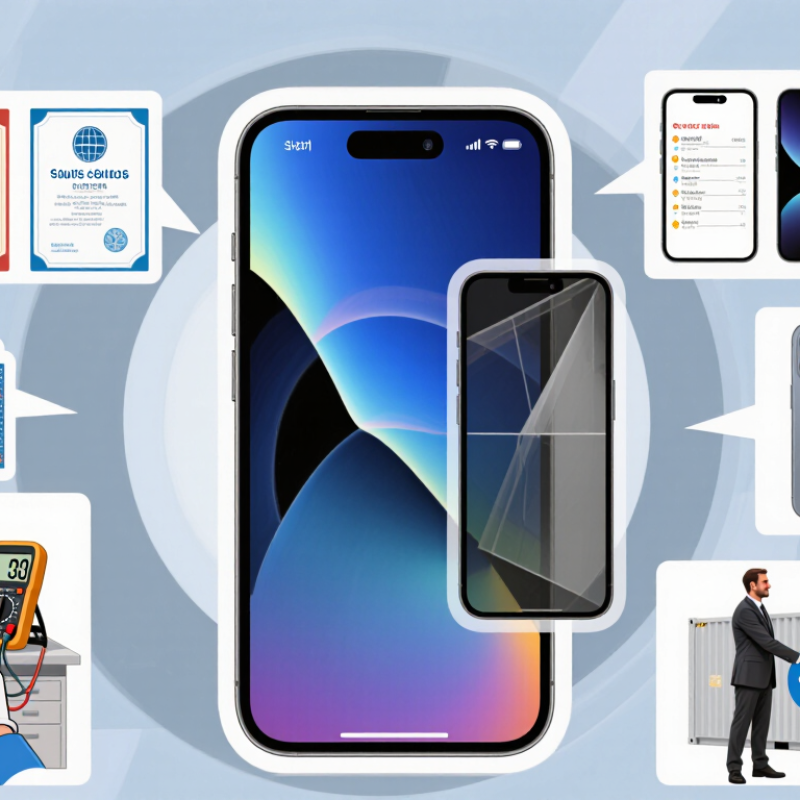
How to Choose a Top China iPhone LCD Screen Supplier?
Understanding the China iPhone LCD Screen Supplier Market
China remains a major production center for replacement display assemblies. DSCC’s 2024 display capacity analysis estimates that China holds more than 70% of global TFT-LCD capacity. This scale creates many suppliers, but it also creates uneven quality. A polished catalog proves little. Real evaluation starts with factory capability, test records, and stable batch performance.
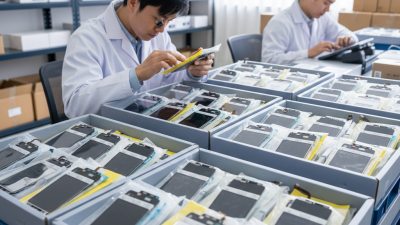
A reliable supplier should provide measurable details. Check brightness, touch sensitivity, color consistency, frame alignment, and dead-pixel limits. Ask for inspection photos under white, black, and gray screens. Request sample testing before placing volume orders. The supplier should explain its quality-control process, including aging tests and packaging protection. ISO 9001 certification can support credibility, but it cannot replace independent inspection.
Market data also requires careful interpretation. IDC reported 1.23 billion global smartphone shipments in 2024, showing strong device demand and continued repair activity. However, shipment growth does not guarantee demand for every LCD specification. Older models may sell steadily, while newer models often require tighter touch and color standards. Price is tempting. It can also be misleading. A cheaper screen may use inconsistent backlighting or weaker adhesive. No inspection plan catches every future failure. Buyers should review return rates, replacement policies, production lead times, and communication speed. The best supplier is not always the largest. It is the one that documents weaknesses honestly and improves after testing.
As premium smartphones remain in use for longer, replacement displays have become an important part of the aftermarket. Industry shipment and repair-market reports indicate that mature flagship models continue generating repair demand years after launch, while consumers increasingly compare repair costs with device replacement. For the 5.8-inch X/XS platform, an FHD in-cell LCD can provide a practical balance between image quality, responsiveness, and affordability.
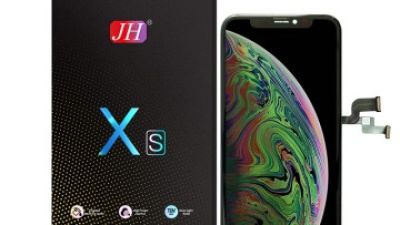
The JH FHD in-cell LCD screen combines the display and touch-sensing layers into one slimmer panel. Its COF construction and 3D Touch Digitizer assembly are designed for compatible X/XS screen replacement, offering sharp FHD resolution, accurate colors, and a smooth viewing experience. Because the touch sensors are integrated into the LCD, the panel can feel more responsive while maintaining a streamlined profile. These characteristics address common priorities identified in display-repair surveys: clear image reproduction, reliable touch performance, and controlled replacement cost.
Compared with higher-priced original-equipment alternatives, this replacement screen is positioned for users seeking dependable everyday performance without paying the full cost of a premium panel. Repair technicians should still verify frame condition, connector compatibility, calibration requirements, and touch functionality before installation, since the final result depends on both component quality and fitting workmanship.
Ask for brightness readings, color consistency data, touch-response tests, and dead-pixel limits. Request samples from several production batches. One sample can hide uneven lighting or loose edges.
Test at least five units when possible. Compare them beside an original screen under normal workshop lighting. Check brightness, touch response, viewing angles, frame fit, and adhesive alignment. One perfect unit proves very little.
Calculate the complete landed cost, including packaging, testing, shipping, and replacement rates. A cheaper screen may create extra labor when technicians reject several pieces. A higher quote can be safer with clear inspection records. Not always.
Confirm the trial quantity, sample fees, repeat-order pricing, and production lead time. Ask whether custom frames require larger orders. A small pilot order reduces risk. Consistency later matters more.
Confirm the coverage period, defect definition, return process, and evidence requirements. Ask whether labor, testing, and replacement shipping are covered. Request batch numbers and replacement records. Vague promises are not protection.
Look for incoming material checks, assembly inspections, brightness testing, touch calibration, and final visual reviews. Request measurable limits for dead pixels and touch delay. Certification may indicate structure, but it does not prove every batch is good. I would still verify independently.
Request sealed anti-static bags, protective foam, and clear carton labels. Ask for loading photos, carton counts, written lead times, and tracking information. Film the unboxing. Keep package photos and failed units.
The supplier should answer technical questions with specific information, not polished generalities. Use a shared inspection sheet for models, quantities, test results, and rejected units. Confirm the defect-reporting period and replacement procedure in writing. Fast replies help, but accurate replies matter more.
Choosing a reliable Iphone Lcd Screen Supplier requires more than comparing prices. Buyers should first understand the supplier market and define their specific requirements, including screen quality, model compatibility, brightness, touch performance, and durability. A professional supplier should be able to provide clear product specifications, relevant certifications, proven industry experience, and sufficient production capacity to support both regular and large-volume orders.
Before making a decision, compare product quality, pricing, minimum order quantities, and customization options. Request samples to evaluate display performance and workmanship, while also reviewing warranty coverage, inspection standards, and quality control procedures. It is equally important to confirm shipping arrangements, delivery reliability, communication efficiency, and after-sales support. A supplier that offers transparent information, consistent quality, reasonable policies, and responsive service can help reduce purchasing risks and build a stable long-term business relationship.